
Bio-Renewable Chemicals Market Size, Share, Growth, Report 2026 to 2035
Bio-Renewable Chemicals Market By Type : Lactic Acid, Succinic Acid, Acetone, Others, Glycerol, By Application: Packaging, Food and Beverages, Personal Care and Cosmetics, Chemical Industry, Others.
Content
What is the Current Bio-Renewable Chemicals Market Size and Share?
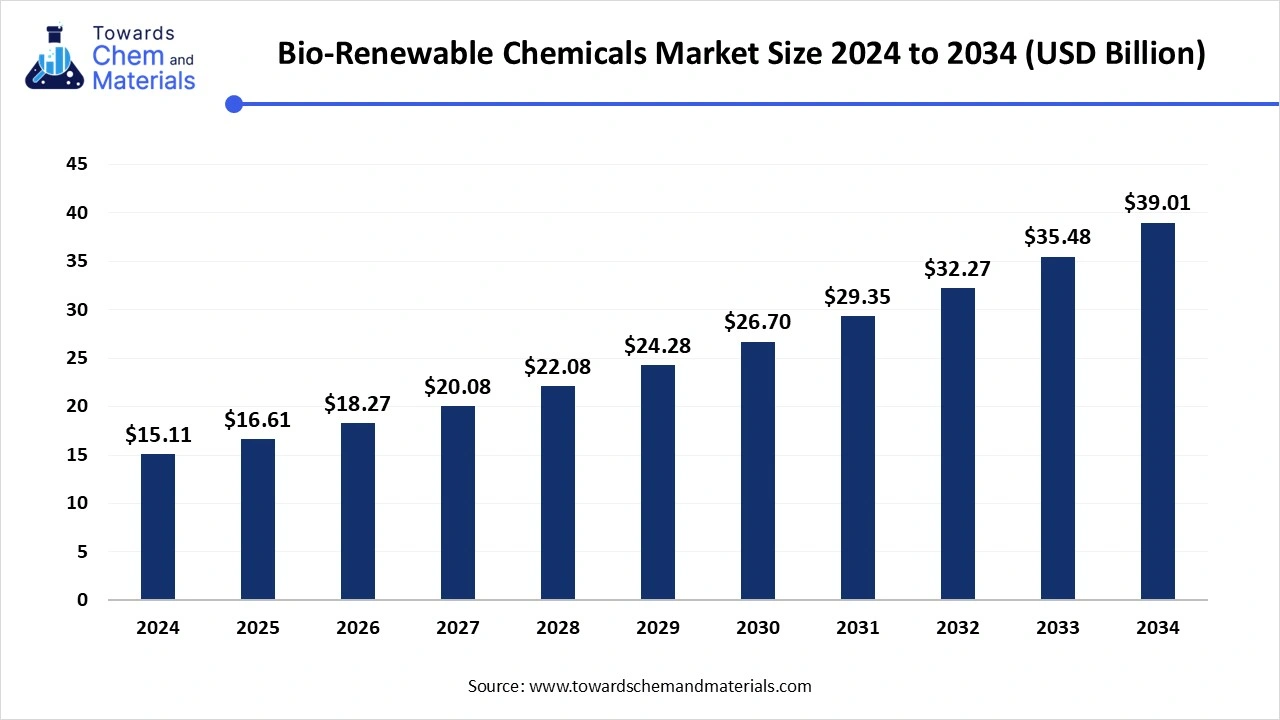
The global bio-renewable chemicals market size was USD 16.85 billion in 2025 and is predicted to increase from USD 18.55 billion in 2026 and is expected to be worth around USD 44.14 billion by 2035, growing at a CAGR of 10.11% from 2026 to 2035. Europe dominated the bio-renewable chemicals market with the largest volume share of xx% in 2025. the growing government initiatives toward eco-friendly production and ongoing industrial expansion are expanding market momentum in the current period.
Bio-Renewable Chemicals Market Key Takeaways
- By region, Europe dominated the bio-renewable chemicals market in 2025.
- By region, Asia Pacific is expected to dominate the bio-renewable chemicals
- By type, the glycerol segment held the dominating share of the bio-renewable chemicals market in 2025.
- By type, the lactic acid segment is expected to experience significant market growth in the future.
- By application, the chemical industry segment led the bio-renewable chemicals market in 2025.
- By application, the personal care and cosmetics segment is expected to grow at the fastest rate during the forecast period.
Bio-Renewable Chemicals Market Overview
The bio-renewable chemicals market has observed rapid growth in the recent period. The demand for the eco-friendly and sustainable production line is primarily contributing to the growth of the industry in the current period. as bio-based chemicals are made up of natural resources like plants, microorganisms, and algae with such procedures. Industries such as food and beverages, personal care, agriculture, packaging, and automotive are seen as providing a huge consumer base for the bio-based chemical sector in recent years. Lowering carbon emissions and cost-effective initiatives make bio-based chemicals the preferred choice across various industries. Moreover, the technological advancements in bioengineering and biotechnology can create substantial market-capturing opportunities for manufacturers by launching innovative chemical combinations in the future.
The rising government initiatives toward eco-friendly production have been significantly contributing to the growth of the biobased chemical industry in recent years. Governments from all over the world are imposing stricter laws and regulations for fossil fuel-based chemical use and heavily promoting natural or biobased alternatives nowadays. Moreover, some governments are providing benefits to biobased chemical manufacturers such as tax reduction, suitable subsidies, and incentives by encouraging individuals for green energy adoption in recent days. The manufacturers are actively looking for low-cost raw materials and modern technology for advanced production, which can provide them first mover advantage in the current market scenario.
- For instance, the U.S. government agency called Environmental Protection Agency (EPA) issued regulation for the review of chemical in the country. The main motive of the regulation is to ensure the timely review of chemicals, protect
Bio Renewable Chemicals Market Trends
- The rising use of bioplastics in the packaging industry has been driving the bio-renewable chemicals market in recent years. Many renowned brands are seen in the heavy promotion of sustainable packaging practices in the current period. as bio-renewable chemicals can replace regular plastic production with eco-friendly plastic and are expected to get significant market attention in the upcoming period.
- The ongoing expansion of the personal care and beauty sector is spearheading market potential in the current period. The manufacturers are increasingly integrating biotechnological advantages to create innovative products. Also, heavy investments in research and development activities from major brands have been observed recently.
- The growing use of bio-based chemicals for sustainable agriculture practices has gained major market share in recent years. The farmers are actively shifting towards the use of bio-based fertilizers compared to traditional fertilizers for maintaining soil conditions and minimization of the negative
Report Scope
| Report Attributes | Details |
| Market Size in 2025 | USD 18.55 Billion |
| Expected size in 2034 | USD 44.14 Billion |
| Growth Rate | CAGR of 10.11% |
| Base Year of Estimation | 2024 |
| Forecast Period | 2025-2034 |
| Dominant Region | Europe |
| Segment Covered | By Type,By Application,Region, |
| Key Companies Profiled | Gevo, Inc., Vizag ChemicalSolvay, BASF SE, Unilever PLC, ZeaChem, Cargill, Incorporated, DuPont de Nemours, Inc., Elevance Health, Amyris. |
Bio-Renewable Chemicals Market Opportunity
Rising Demand for Bio-Based Adhesives: A Game Changer for Manufacturers
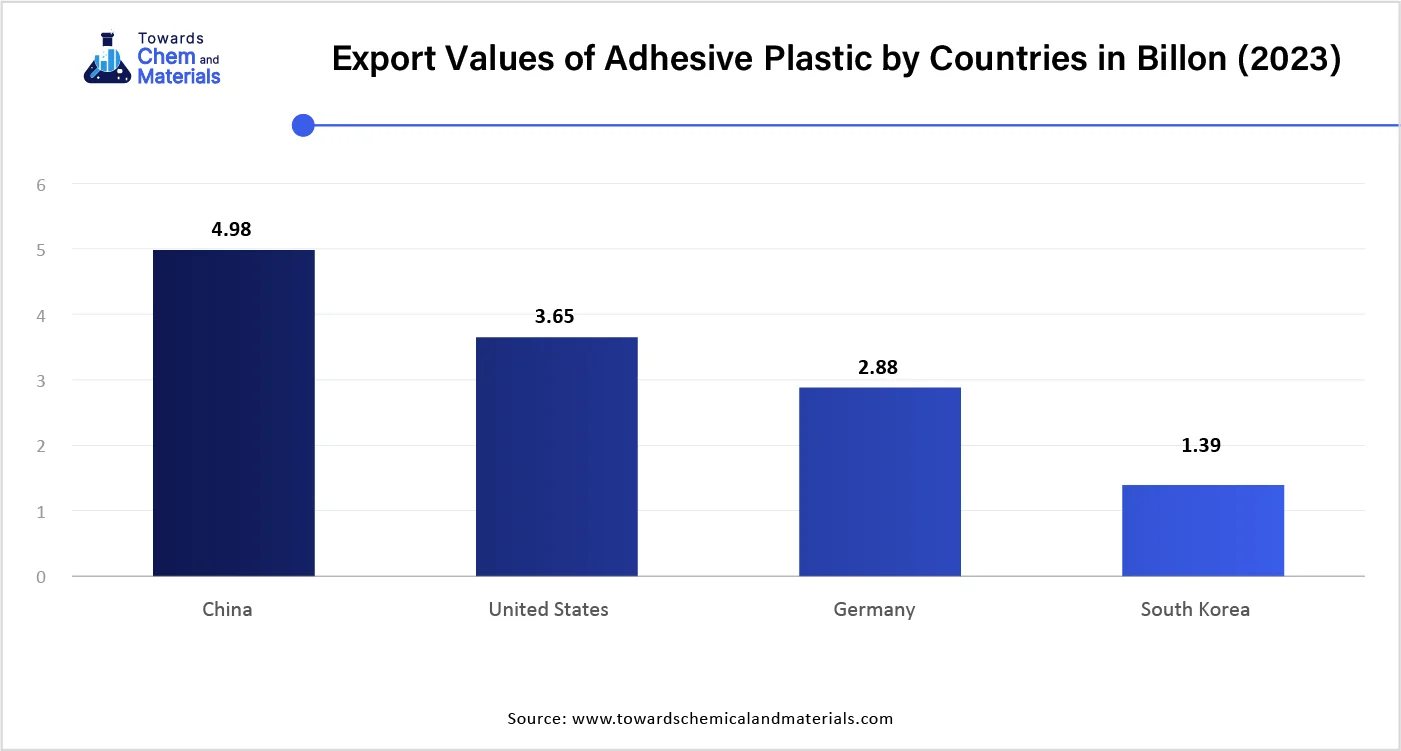
The increasing demand for bio-based adhesives is anticipated to create lucrative opportunities for bio-renewable chemical manufacturers in the coming years. Governments from all over the world are introducing stricter policies against traditional chemical compounds that contain volatile organic compounds. According to this, manufacturers have a greater opportunity to gain market attention by developing bio-based chemicals that are suitable for the bio-based adhesives combinations. Moreover, industries such as construction and automotive can create a huge consumer base for these adhesives during the forecast period.
Value Chain Analysis
- Feedstock Sourcing & Pre-Processing: This involves the sustainable procurement and preparation of biomass resources, such as agricultural residues, forestry waste, dedicated energy crops, and industrial organic waste.
- Key Players: crumb rubber suppliers and kraft lignin suppliers.
- Research & Development (R&D): This focuses on innovation, process development, and the creation of new technologies to convert biomass efficiently into high-value chemicals and materials.
- Key Players: Novozymes, DuPont, BASF, Cargill, Amyris, Genomatica.
- Manufacturing & Conversion: This involves the actual industrial-scale production of bio-based intermediate and finished products using established or innovative conversion technologies.
- Key Players: Braskem, NatureWorks LLC, Corbion, Evonik Industries, BASF SE, TotalEnergies Corbion, and ADM.
- Logistics & Distribution: This handles the safe and efficient storage and transportation of bulk and packaged bio-renewable chemicals to various end-use industries.
- Key Players: DHL Supply Chain, DB Schenker, Maersk Logistics, C.H. Robinson, and BDP International.
- Application & Commercialization: It involves integrating bio-based products into various end user manufacturing processes and selling them to consumers.
- Key Players: Procter & Gamble and L'Oréal.
Bio-Renewable Chemicals Market Challenge
High Production Costs
The production cost of bio renewable chemical is expected to impede bio-renewable chemicals market growth in the coming years as raw material like sugarcane, corn, and vegetable oil may get underpriced fluctuations sometimes that can slow the manufacturing process in the future. Also, processing such as fermentation, purification, and enzymatic reaction are comparatively expensive than petroleum-based chemical procedures. As a result, industries can hesitate to shift to these biobased chemicals due to these uncertain issues.
Market Segmental Insights
By Type Insights
The glycerol segment held the dominating share of the bio-renewable chemicals market in 2024. Having versatile applications in various industries, the glycerol segment gained major market share in the current period. As the global shift towards sustainability, the glycerol segment emerged as a key component in sectors such as personal care, food, pharmaceutical, and biofuels in recent years. Moreover, increasing biodiesel production across the globe leads to the supply of glycerol, as glycerol is generated as a secondary product during the biodiesel process. Furthermore, the pharmaceutical industry is actively contributing to the growth of glycerol
Global Bio-Renewable Chemicals Market Revenue, By Type, 2024-2034 (USD Billion)
| By Type | 2024 | 2025 | 2026 | 2027 | 2028 | 2029 | 2030 | 2031 | 2032 | 2033 | 2034 |
| Lactic Acid | 3.63 | 4.04 | 4.49 | 5 | 5.56 | 6.19 | 6.89 | 7.66 | 8.52 | 9.47 | 10.53 |
| Succinic Acid | 1.51 | 1.69 | 1.88 | 2.1 | 2.34 | 2.61 | 2.91 | 3.24 | 3.61 | 4.03 | 4.49 |
| Acetone | 1.81 | 2 | 2.21 | 2.44 | 2.69 | 2.97 | 3.28 | 3.62 | 4 | 4.42 | 4.88 |
| Glycerol | 3.32 | 3.62 | 3.95 | 4.3 | 4.68 | 5.1 | 5.55 | 6.05 | 6.58 | 7.17 | 7.8 |
| Others | 4.84 | 5.26 | 5.74 | 6.24 | 6.81 | 7.41 | 8.07 | 8.78 | 9.56 | 10.39 | 11.31 |
The lactic acid segment is expected to experience significant bio-renewable chemicals market growth in the future. The trend towards bio-based adhesives can drive the segment growth in upcoming years as lactic acid is currently getting recommendations as a bio-based alternative in industries. It plays the major role in production of polylactic acid, the lactic acid can gain attraction with increased demand for biodegradable plastic in the coming years. Moreover, rising need for the PH regulators and food flavor enhance from food and beverage industry, the lactic acid can gain major market attention form food processer industries during the forecast period.
By Application Insights
The chemical industry segment led the bio-renewable chemicals market in 2024. The growing dependency on bio-based chemicals for eco-friendly production has been driving the segment growth in recent years. Also, these eco-friendly chemicals are playing a major role in the modern shift of chemical industries toward environment-friendly alternatives from traditional fossil fuel-based chemicals. Moreover, the expansion of renewable plastic production can severely contribute to the growth of segment in the current period. Several governments have implemented rules and regulations on non-biodegradable regular plastic production in recent years. Also, the increased use of bio-based solvents is increasingly seen in drug delivery systems in pharmaceutical fields, which can create attractive opportunities for renewable chemicals during the anticipated period.
The personal care and cosmetics segment is expected to grow at the fastest rate in the bio-renewable chemicals market during the forecast period. Innovative trends such as vegan and sustainable cosmetic productions and others are likely to drive the segment potential in the coming period. The major beauty brands are actively seen in the promotion of sustainable personal care products in the current period. Furthermore, advancements in biotechnology can make substantial growth opportunities for the personal care industries as producers can test different combinations to make innovative, sustainable products in the coming years. Also, favorable government policies are continuously pushing manufacturers' perspectives towards eco-friendly production in recent years. The product manufacturers can also promote their products by sustainable packaging promotions in upcoming years.
Regional Insights
How will Europe contribute to the Bio-Renewable Chemicals Market?
Europe is the top-performing region in the global market, thanks to a strong history of high-end research capabilities and supportive government policies. The European Union actively funds biorefinery projects and promotes sustainability, encouraging industries to transition from petrochemical products to bio-based alternatives. Ongoing research and development initiatives across member nations further bolster the market, while manufacturers are increasingly promoting their sustainable product lines.
Germany Bio-Renewable Chemicals Market Trends
Germany stands out as a global powerhouse in the chemical industry, leveraging stringent regulations and significant investment in research and development to drive its shift toward sustainable solutions. Stringent EU and national climate protection laws compel manufacturers to adopt circular and renewable chemical solutions. Companies such as BASF and Evonik are making substantial R&D investments, focusing on areas like green hydrogen and the production of bio-based and biodegradable polymers.
Emergence of Latin America in the Bio-Renewable Chemicals Market?
Latin America plays a unique role in this global landscape, with a vast supply of biomass from sources such as sugarcane, corn, soybean, and palm oil, which serve as primary raw materials for biofuels and bio-based chemicals. Government programs like Brazil's RenovaBio encourage the development of local bio-industries. Brazil is a global leader in bioethanol production, and Argentina is a significant producer of biodiesel. The region is increasingly advancing beyond basic biofuels to produce high-value bio-based chemicals, with an emphasis on green ethylene and other intermediates.
Brazil Bio-Renewable Chemicals Market Trends
Brazil is a key contributor to the global market, driven by its abundant agricultural resources and well-established policies. The country possesses extensive agricultural resources, particularly sugarcane, an efficient and environmentally friendly feedstock for bioethanol production. Decades of strategic policies, including the National Alcohol Program, RenovaBio, and the recent Fuel of the Future law, have created a robust market characterized by high blending mandates and a functioning carbon-credit market.
How will the Middle East and Africa Surge in the Bio-Renewable Chemicals Market?
The Middle East and Africa represent an emerging market with increasing interest in sustainable diversification and reduced reliance on oil. Governments across this region are actively promoting bio-based projects to meet environmental goals. Countries such as South Africa, Saudi Arabia, and the UAE are implementing policies to encourage the adoption of green chemicals. Bioeconomy agendas drive this growth, efforts to reduce carbon emissions, and regulations favoring eco-friendly alternatives.
UAE Bio-Renewable Chemicals Market Trends
In the UAE, the focus is on diversifying the economy away from dependence on petrochemicals and developing a chemical trade and logistics hub. The UAE is gradually adopting bio-based chemicals in response to increasing environmental awareness and regional initiatives, establishing itself as a significant trade partner in the chemical sector, both as an import and export destination.
Global Bio-Renewable Chemicals Market Revenue, By Regional, 2024-2034 (USD Billion)
| By Regional | 2024 | 2025 | 2026 | 2027 | 2028 | 2029 | 2030 | 2031 | 2032 | 2033 | 2034 |
| Asia-Pacific | 5.89 | 6.54 | 7.25 | 8.04 | 8.92 | 9.89 | 10.97 | 12.17 | 13.49 | 14.96 | 16.58 |
| North America | 3.78 | 4.13 | 4.51 | 4.93 | 5.39 | 5.89 | 6.43 | 7.03 | 7.68 | 8.39 | 9.17 |
| Europe | 3.48 | 3.77 | 4.09 | 4.44 | 4.81 | 5.22 | 5.66 | 6.13 | 6.65 | 7.2 | 7.8 |
| Latin America | 1.06 | 1.17 | 1.3 | 1.44 | 1.59 | 1.76 | 1.95 | 2.16 | 2.39 | 2.64 | 2.93 |
| Middle East & Africa | 0.9 | 1 | 1.12 | 1.23 | 1.37 | 1.52 | 1.69 | 1.86 | 2.06 | 2.29 | 2.53 |
Bio-Renewable Chemicals Market Recent Development
- In 2025, IFF and Kemira introduced the Alpha Bio, which is a collaborative production unit in the IFF biorefinery in Kotka, Finland. This plant has up to 44000 tons of plant sugar conversion ability for various products and includes high-performance biopolymers.
- In 2025, TKIL Industries made a partnership with KIS Group to develop and extend its biochemical portfolio. This partnership aims to focus on compressed biogas technology with green energy initiatives in current market conditions.
- In 2025, AkzoNobel unveiled the latest wood coating that was made up of 20 % bio-based components. The coating is named RUBBOL WF 3350. This coating can be suitable for both exterior and interior use, as the company claimed.
Bio-Renewable Chemicals Market Top Companies List
- Gevo, Inc.
- Vizag Chemical
- Solvay
- BASF SE
- Unilever PLC
- ZeaChem
- Cargill
- Incorporated
- DuPont de Nemours, Inc.
- Elevance Health
- Amyris
Segments Covered In The Report
By Type
- Lactic Acid
- Succinic Acid
- Acetone
- Others
- Glycerol
By Application
- Packaging
- Food and Beverages
- Personal Care and Cosmetics
- Chemical Industry
- Others
By Regional
- North America
- U.S.
- Canada
- Mexico
- Europe
- UK
- Germany
- France
- Italy
- Spain
- Sweden
- Denmark
- Norway
- Asia Pacific
- Japan
- China
- India
- Australia
- South Korea
- Thailand
- Latin America
- Brazil
- Argentina
- The Middle East and Africa
- South Africa
- Saudi Arabia
- UAE
- Kuwait
FAQ's
Question 1 : What is the projected market size by 2034?
Answer : According to market projections,The global bio-renewable chemicals market size is valued at USD 16.61 billion in 2025 and is predicted to increase from USD 39.01 billion by 2034, accelerating at a CAGR of 9.95% from 2025 to 2034.
Question 2 : Which segments offer the best growth opportunities?
Answer : Lactic acid for biodegradable plastics and personal care; bio-based adhesives for construction and automotive.
Question 3 : How are biotechnologies transforming the market?
Answer : Advanced microbial fermentation and enzymatic reactions enable cost-effective, scalable bio-based production.
Question 4 : What regulations are influencing the market?
Answer : Global bans on fossil-based plastics and incentives for bio-based production accelerate adoption.
Question 5 : What challenges limit broader market adoption?
Answer : High production costs, raw material price volatility (e.g., sugarcane, corn), and scaling complexity.
Question 6 : Who are the major players in the bio-renewable chemicals market?
Answer : Gevo, Inc., Vizag ChemicalSolvay, BASF SE, Unilever PLC, ZeaChem, Cargill, Incorporated, DuPont de Nemours, Inc., Elevance Health, Amyris.
Meet the Team

Saurabh Bidwai
Principal Consultant
Saurabh Bidwai, a B.Tech Chemical Engineering graduate with 4+ years of experience, specializes in specialty chemicals, commodity chemicals, and engineered materials, offering valuable insights into market trends and emerging opportunities.

Aditi Shivarkar
Reviewed By
Aditi Shivarkar, with 14+ years in Chemical and Materials market research, specializes in Chemical and Materials. She ensures accurate, actionable insights, driving Towards Chemicals And Materials Analytics and Consulting excellence in industry trends and sustainability.